
The AI-Powered iPhone Arrives: Apple Dubs it Personal Intelligence
"During its annual developers conference, Apple addressed a long-standing question that previously received vague answers: 'What defines an AI smartphone?' While industry standards remain undefined, Apple has clarified its approach by integrating GenAI into the world's most popular smartphones, although much expected, Apple's move makes non-AI smartphones obsolete, whether it admits it or not.
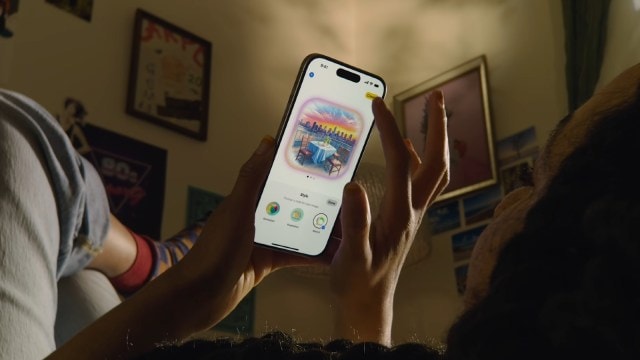
Cupertino is not an AI smartphone pioneer. Samsung and Google have already incorporated GenAI into their flagship devices. However, Apple is integrating AI into iOS 18, the latest version of its mobile operating system previewed at WWDC. Once this update reaches compatible models, it will affect millions of users instantly This allows Apple to scale AI capabilities across a wider user base by the end of the year. Despite the perception of lagging behind rivals like Google and Microsoft, the move demonstrates Apple's commitment to expanding AI applications across its product lineup as it capitalizes on AI before AI."
"The influence of AI technology on the iPhone and the broader smartphone market is poised to be profound. Much like how the original iPhone introduced touchscreens and the App Store, reshaping the concept of smartphones, Apple's current integration of AI could herald another transformative shift. While smartphones existed prior to the iPhone, their user experience lacked intuitiveness. Apple revolutionized this with its intuitive touchscreen interface and app discovery features. Now, with advancements showcased at WWDC, Apple appears poised to redefine smartphones once more, signaling that what we witnessed may just be the dawn of a new era."
AI technology has long been a part of smartphones, including the iPhone, enabling features like background blur effects and photo editing for years. However, GenAI represents a fundamental shift in mobile devices, as highlighted at WWDC 2024 by Apple. Referred to as "Apple Intelligence," this suite of GenAI-powered features aims to simplify users’ daily lives without explicitly using the term "artificial intelligence."

During a panel discussion following the keynote, Apple CEO Tim Cook explained that "Apple Intelligence" leverages generative models and personal context to deliver highly useful and relevant intelligence while upholding rigorous privacy standards. This approach integrates user data and relationships to optimize features such as calendar management, route planning based on traffic conditions, and automated message drafting for rescheduling meetings.
Unlike general-purpose AI models like ChatGPT, which excel at retrieving broad information, Apple's strategy focuses on enhancing personal interactions and productivity tasks tailored to individual users. This distinction is evident in Apple's decision not to integrate a ChatGPT-like AI chatbot directly into the iPhone, despite its partnership with OpenAI, citing specific design choices aligned with user privacy and utility concerns.
“If you went to a traditional chatbot, first of all, you’d have to leave wherever you were and what you were doing, go to another app, and type all that in. More importantly, the chatbot would have no idea how to answer that question. It wouldn’t know where you are,” Craig Federighi, Senior Vice President of Software Engineering at Apple.
No comments